Wool comforters provide an insulating bedding layer made with wool fill, a fiber known for helping regulate warmth and manage moisture. Their breathable structure can support comfortable sleep across changing temperatures. Understanding fill weight, shell fabric, and care instructions helps distinguish lightweight wool comforters from options designed for more substantial warmth.
Merino wool is valued for its fine fibers and soft feel, while wool’s natural moisture-handling properties can help reduce the clammy sensation associated with trapped humidity. A wool comforter may suit people seeking breathable bedding with steady insulation. Pairing it with suitable sheets and pillows can help create a comfortable, balanced sleep environment.
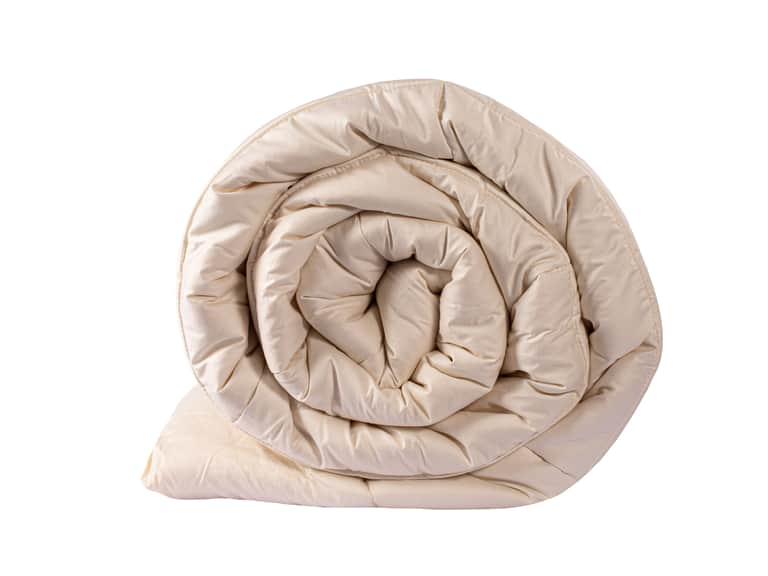
The Sleep and Beyond myMerino Wool Comforter Light features merino wool fill in a lighter-weight design. Its reduced insulation makes it relevant for warmer bedrooms, mild seasons, or sleepers who prefer less warmth beneath their bedding. Wool fill offers breathable insulation, and checking the product’s care guidance is important before washing or airing it.
The Sleep and Beyond myComforter is another wool-filled bedding option, intended to provide insulating comfort while drawing on wool’s natural temperature and moisture management. Its construction and warmth level can help users compare it with lighter designs such as the myMerino Wool Comforter Light. Product specifications clarify materials, dimensions, and recommended care.
When comparing wool comforters, consider climate, personal warmth preferences, fill weight, and fabric construction alongside bedding such as sheets and pillows. Wool is a distinct natural-fiber choice among sleep products, including organic mattresses and organic crib mattresses, though comforter materials and certifications vary. Reviewing labels and care details supports an informed fit for household needs.
 Bedding