In the quiet calculus of sleep, the mattress is the stage where body, environment, and circadian rhythms perform. It is easy to mistake a mattress for a single, uniform object—a simple surface to lie on—but beneath the sheet lies a choreography of materials and layers. Each component participates in a conversation about contour, support, temperature regulation, and durability. The goal of this guide is not to sell you a product, but to illuminate what to look for when you read mattress claims, weigh your options, and make an informed decision about the one thing you spend a third of your life doing: sleeping.
We begin with the three core technologies that dominate the market: innerspring, memory foam, and latex. Each technology offers a distinct philosophy of support. Innerspring systems rely on coils to provide a springy, responsive feel and robust edge support; memory foam lures the sleeper with body-conforming pressure relief and motion isolation; latex, a natural alternative, combines buoyant contour with durable resilience and breathability. The reality is rarely a pure category; modern mattresses blend these approaches, layering foams atop coils or weaving latex into hybrid architectures. The selection often echoes a reader’s priorities: whether they prize pinpoint pressure relief (memory foam), cool and buoyant support (latex), or non-sagging durability and traditional feel (innerspring).
Beyond the core technologies, the cover and comfort layers serve as the curtain and the first act. Covers can be cotton, TENCEL, or blends designed for cooling, moisture management, and breathability. Comfort layers—ranging from quilted fiber fills to plump down alternatives—tune the initial feel of the surface, the way the mattress cushions or supports the shoulders, hips, and spine. The way these layers distribute weight can influence sleep ergonomics, spinal alignment, and even allergy considerations. The science of these interactions is thankfully approachable; it does not require a bookshelf of specialized terminology to understand the practical implications of each choice.
Ultimately, a mattress is a system. The performance of a mattress depends not only on the materials themselves but on how they interact with mattress height, the bed foundation, climate, and the sleeper’s anatomical needs. Understanding these interactions helps readers navigate common claims—“gel,” “open-cell,” “zone supports,” “cooling tech”—and separate marketing from measurable benefit. In the spirit of rigorous sleep education, we lean on published research, standard industry descriptors, and peer-reviewed findings to decode these promises into actionable insights.
Core Technologies: Innerspring, Memory Foam, and Latex
Innerspring mattresses have a long lineage in which the coil system defines the bed’s structural backbone. The coil count, gauge, and configuration influence bounce, contour, and edge stability. Modern hybrids use zoned or individually wrapped coils to address different regions of the body—soft in the shoulders and firmer along the hips and lumbar area. When choosing an innerspring-based mattress, consider the coil count and the balance between the supportive perimeter and the central body. Edge support, a practical concern for couples sharing a bed, is a function of coil patterns and reinforced perimeters. A well-designed innerspring layer can deliver a responsive, durable sleep surface that remains supportive for many years.
Memory foam layers—often viscoelastic polyurethane foams—offer distinctive pressure relief as they soften under heat and weight, allowing the surface to contour to the sleeper’s shape. The density of memory foam correlates with durability and feel; higher-density foams typically offer longer-lasting support and less sag, albeit with different cooling characteristics. A common worry about memory foam is heat retention, which manufacturers address with open-cell structures, gel inclusions, or phase-change materials. For sleepers sensitive to heat, testing a mattress for cooling performance—whether through feel tests or consumer reviews—can be decisive.
Latex, whether natural (from rubber trees) or synthetic, occupies a special place in the spectrum of comfort. Latex combines buoyant support with resilience and is known for durability and cooler-than-foam performance. Talalay and Dunlop are two common latex processes; each yields a different typology of feel. Talalay latex tends to be more uniform and plush, while Dunlop can be slightly firmer and denser. Latex mattresses often appeal to sleepers seeking a more breathable, springy surface with a smoother contour than memory foam, particularly for long-term durability and a more “lively” feel.
Layer Structures and How They Shape Comfort
Layering a mattress is a choreography of support and feel. A typical set of layers might begin with a quilted cover that wicks moisture and adds a soft initial contact. Beneath that, a comfort layer—such as a memory foam, latex, or fiber fill—sets the surface feel. Below lies the core support: coils in an innerspring bed, or a solid or layered foam system in all-foam designs. The choice of cover and top layers affects temperature, stretch, noise, and the ease of sheet-fitting. The more complex the layering, the more nuanced the feel, as different regions of the mattress can incorporate varying densities or materials to address pressure points.
- Hybrid configurations marry coils with foam or latex for a balance of bounce and contour. These designs often aim to combine the best attributes of each technology.
- All-foam constructions rely on high-density foams or specialized foams for support and durability, with attention to weight distribution and heat management.
- Natural and organic options incorporate cotton covers, natural latex, or other eco-conscious materials, emphasizing comfort without synthetic additives and prioritizing breathability.
Cover Materials: The First Barrier and the Last Contact
Cover materials do more than dress the bed. They influence moisture wicking, temperature regulation, and the “feel” at the surface. Breathable cotton or moisture-wicking blends can keep sleepers cooler through the night. For allergy-conscious households, organic cotton or fabric with certifications (like GOTS) can be meaningful. The cover also contributes to the overall durability by protecting the inner layers from sweat and wear. While a cover may seem negligible compared to the core layers, it interacts with the top comfort layer to shape the experience of the first minutes after lying down and the micro-motions of sleep.
Protective and Finishing Layers: Extending Life and Sleep Quality
Beyond the core materials, protective layers such as mattress encasements, pads, and toppers extend lifespan and modify performance. A waterproof or allergen-protective encasement can contribute to a healthier sleep environment, particularly in family homes with children or pets. Mattress pads and toppers add functional cushioning, warmth, or cooling attributes, depending on the fill materials and shell fabrics. These accessories can be a practical way to adjust a mattress’s feel without purchasing a completely new unit, aligning with the educational intent of a consumer-friendly sleep hub.
Performance Metrics: How to Read the Data Behind the Claims
What should readers care about when evaluating a mattress claim? A few reliable benchmarks help anchor expectations. Pressure distribution, support at different body zones, and durability indicators can be gleaned from product specifications and independent tests. Temperature regulation, resilience (return to form after compression), and motion isolation (for couples) are practical considerations. While many brands boast their proprietary “cooling” technologies or “pressure-relief” claims, the best approach is to connect those features to real sleep experiences and scientific principles: density, cell structure, airflow, and shock absorption. Reading the science behind price points and marketing claims is essential for durable, well-informed choices.
A Short Historical Arc: Three Key Figures in Bedding Philosophy
To give texture to the discussion, consider three figures from different periods who, in their respective contexts, shaped how we think about sleep surfaces and comfort.
- Charles Le Brun (17th century; design, philosophy, and the art of support) — While not a mattress designer, Le Brun’s sensibility for how form follows function informs modern thinking about ergonomic support: the idea that a surface must hold shape without obstructing motion, and that comfort is a synthesis of structure and perception. In the mattress context, this translates to coil structures and foam densities engineered to cradle the body without sacrificing alignment or movement.
- Josiah Wedgwood (18th century; material science and quality) — In the span of the industrial age, the push toward standardized materials and durability reverberated through product manufacturing, including bedding. The idea that the quality of materials and the consistency of their production matter for consumer confidence is a throughline that connects 19th-century ceramic artistry to 21st-century foam densities and latex processing.
- Dr. William C. Dement (20th century; sleep science pioneer) — A towering figure in modern sleep research, Dement’s work on sleep stages and circadian rhythms underpins the practical goal of sleep health. Understanding a mattress as an instrument for better sleep aligns with Dement’s emphasis on evidence-based sleep hygiene and the physiology of sleep, anchoring consumer advice in robust science.
These moments—design aesthetics, material science, and sleep science—converge in today’s mattress discourse. The reader is invited to consider how these strands interweave: a surface shaped by ergonomic intent, built from durable materials with predictable performance, underpinned by a science of sleep that values consistency, environment, and rest.
Case Studies: Materials in Action
To ground the discussion, we look at concrete examples that illuminate how material choices translate into real-world sleep. The following case studies are representative of how three distinct mattress types approach the same problem—sleep comfort and longevity.
Case Study A — Hybrid Innerspring with Latex Toppers: A hybrid structure that places a latex topper above a coil-based core aims to combine bounce with contour. Latex provides a resilient, breathable surface, while the springs deliver support and perimeter stability. This configuration can balance temperature regulation with pressure relief, particularly for sleepers who experience shoulder or hip discomfort when lying on foam alone.
Case Study B — All-Foam with High-Density Core: An all-foam design prioritizes contouring and motion isolation. Higher-density foams typically offer longevity, less sag, and pronounced body conformity. However, cooling can be an area of focus, and the top layers’ density and cell structure will influence both temperature and resilience over time.
Case Study C — Natural Latex and Organic Covers: A latex-centric construction with natural cover materials emphasizes breathability and a sustainable ethos. The natural material can offer durable performance with a cooler feel and a potentially longer lifespan, especially when paired with breathable covers and responsibly sourced latex.
These examples illustrate how layered choices translate into everyday experience: pressure relief, edge support, temperature control, and durability. They also demonstrate why the reader should approach mattress shopping as a series of trade-offs guided by personal sleep priorities and values.
A Product to Consider Within Our Educational Context
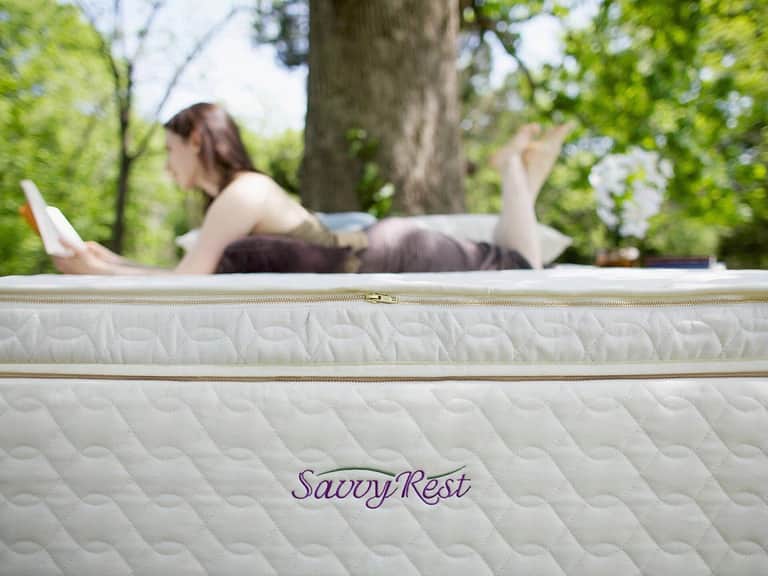
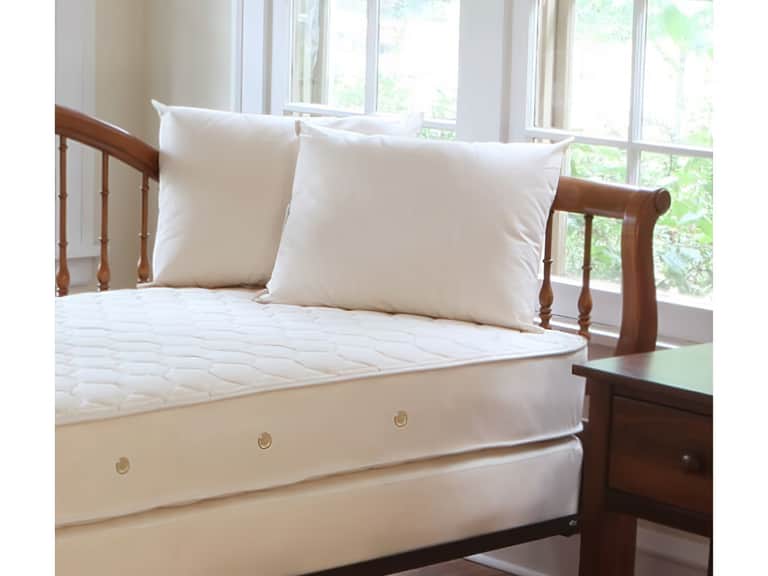
Among the accessible options in the market, the Savvy Rest Unity Pillowtop Latex Mattress stands out as a compact illustration of layered materials in action. The Unity Pillowtop combines four layers—an inner Serenity core with a Harmony latex topper—encased in a removable organic cotton cover, reaching a total height of 13 inches. The configuration allows customization of firmness on each side in Queen and King sizes, an approach that demonstrates how layered materials and customization can address varied sleep needs within a single bed. This product embodies the educational spirit of our hub: it offers tangible insight into how materials interact to create a surface that provides pressure relief, breathability, and durable support, all while maintaining a focus on organic and natural components.
Note: A key feature of the Unity Pillowtop is the ability to layer-exchange components within a 90-day window, illustrating a practical method for tailoring comfort without abandoning the bed’s core architecture. Such flexibility underscores an evolving understanding of how personal sleep needs can shift, and how a mattress can adapt in response to those shifts without wholesale replacement.
Final Thoughts: Reading the Sleep Surface as a System
The mattress is not merely a product; it is a system in which cover, comfort layers, core support, and foundation work in concert. The materials and layers determine how the bed distributes pressure, dissipates heat, and maintains structural integrity over time. The reader who engages with this guide should leave with a toolkit for evaluating claims and a framework for deciding which combination of materials most closely aligns with their sleep needs and life circumstances. The aim is not a shopping list but a disciplined map for understanding sleep geometry—how the body meets the surface, how the surface meets the room, and how both intersect with the science of sleep.
In this educational landscape, the Savvy Rest Unity Pillowtop Latex Mattress can serve as a focal point for discussion, offering a concrete example of layered materials and customization—an emblem of how thoughtful design can translate scholarly insights into a practical, durable sleep solution.
Keywords: mattress construction, memory foam vs latex, innerspring mattress layers, mattress materials, sleep science basics