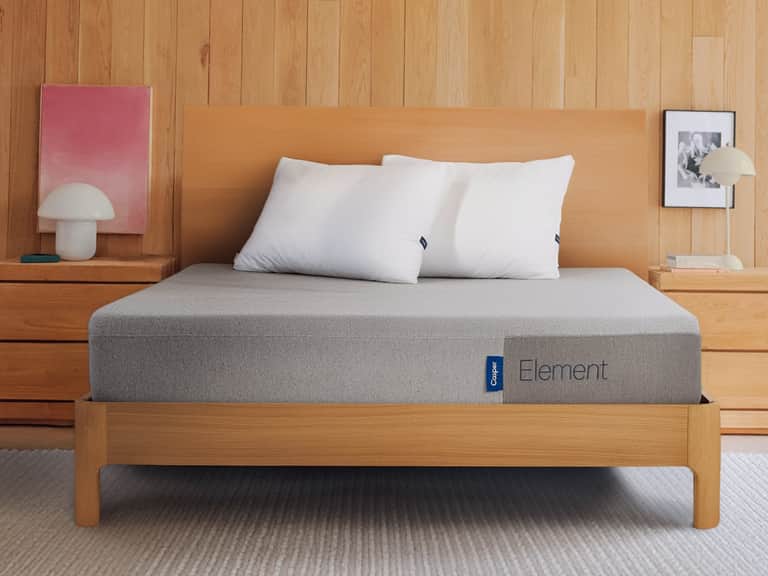
Foam mattresses are distinguished by their unique ability to conform to body contours while providing consistent support across the sleeping surface. In this category, foam materials aim to reduce pressure points and distribute weight evenly, contributing to reduced motion transfer and improved alignment. Understanding foam density, firmness, and layer composition helps clarify which option best suits individual comfort and sleep needs.
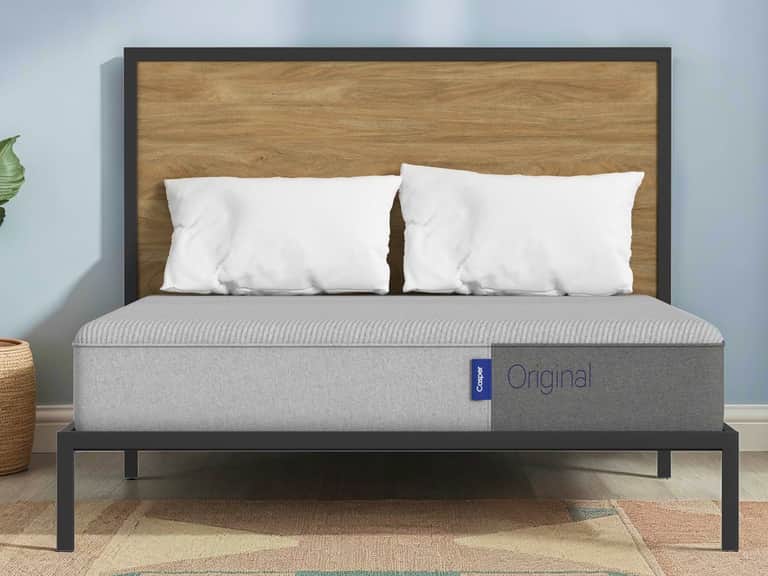
The Original Mattress in this foam lineup emphasizes balanced contouring with durable support layers designed to cradle the body. Known for steady pressure relief and minimal partner disturbance, this model pairs a breathable top layer with a resilient core to maintain shape over time. Its materials choice supports varied sleep positions and long-term comfort.
The Element Mattress offers a thoughtful blend of contouring and support, adapting to curves while maintaining stability for the hips, shoulders, and lower back. This design typically incorporates zoned or layered foam to address pressure distribution, promoting spinal alignment and reducing sagging under sustained use.
Key features across foam mattresses include closed-cell or open-cell constructions, cooling infusions, and removable, washable covers to support hygiene and temperature regulation. When evaluating options, consider density, ILD (indenting load deflection) ratings, and the presence of transition or transition-foam layers that influence firmness perception and longevity.
In the broader bedding context, foam mattresses interact with pillows, sheets, and organic mattress options to influence sleep quality. Understanding how each component contributes to comfort, temperature management, and support helps individuals select a foam mattress that aligns with preferences for firmness, motion isolation, and long-term durability.
 Mattresses