Comforters are insulating bedding layers designed to add warmth and comfort over sheets while supporting a consistent sleep environment. Their usefulness depends on fill, weight, shell fabric, and care requirements. Considering these characteristics can help explain how a comforter fits different climates, sleeping preferences, and bedroom bedding arrangements.
Fill materials influence a comforter’s warmth, breathability, and moisture handling. Wool is valued for temperature regulation and its ability to manage moisture, while a lighter construction may suit people who prefer less insulation. Cover fabrics also affect feel and airflow, so both the fill and shell matter when assessing comforter features.
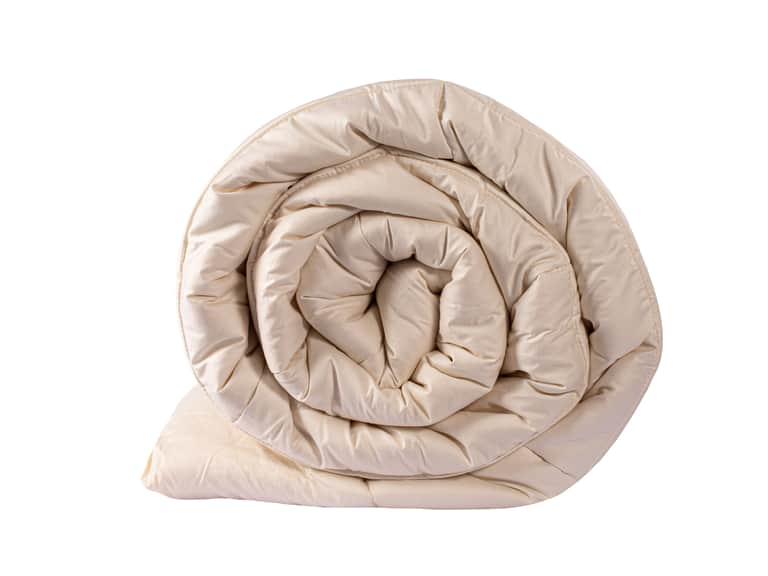
Sleep and Beyond myMerino Wool Comforter Light uses fine merino wool fill in a lighter-weight design. Wool’s natural insulating and moisture-managing properties can help maintain comfortable warmth without the feel of a heavy layer. This comforter may be relevant for warmer rooms, changing seasons, or sleepers who prefer lighter bedding.
Sleep and Beyond myComforter is another wool-filled bedding option, intended to provide insulating comfort for everyday sleep. Wool fill can help balance warmth and breathability, while the comforter’s construction determines its feel and care needs. Reviewing its specifications alongside sheets and pillows helps clarify how it may work within a bedding setup.
Comforters are one part of a broader sleep environment that may include pillows, sheets, and mattresses. People comparing bedding can consider material preferences, warmth, and maintenance together, including when evaluating organic mattresses or organic crib mattresses for separate sleep spaces. These distinctions help identify how each product serves a particular comfort and bedding need.
 Bedding